Retrospective · Source dated 19 May 2026
IPL 2026 vs Recent Seasons: Scoring Surge, Young Stars and the Fantasy Shift
On 19 May 2026, Goal.com published a season comparison that still frames how fantasy managers should read IPL 2026 against the years that came before it: higher innings totals, teenage ceiling plays, and an audience that moved faster toward phones than television.
By the IPL Fantasy 365 editorial desk · Published 2 August 2026 · Retrospective on a 19 May 2026 report
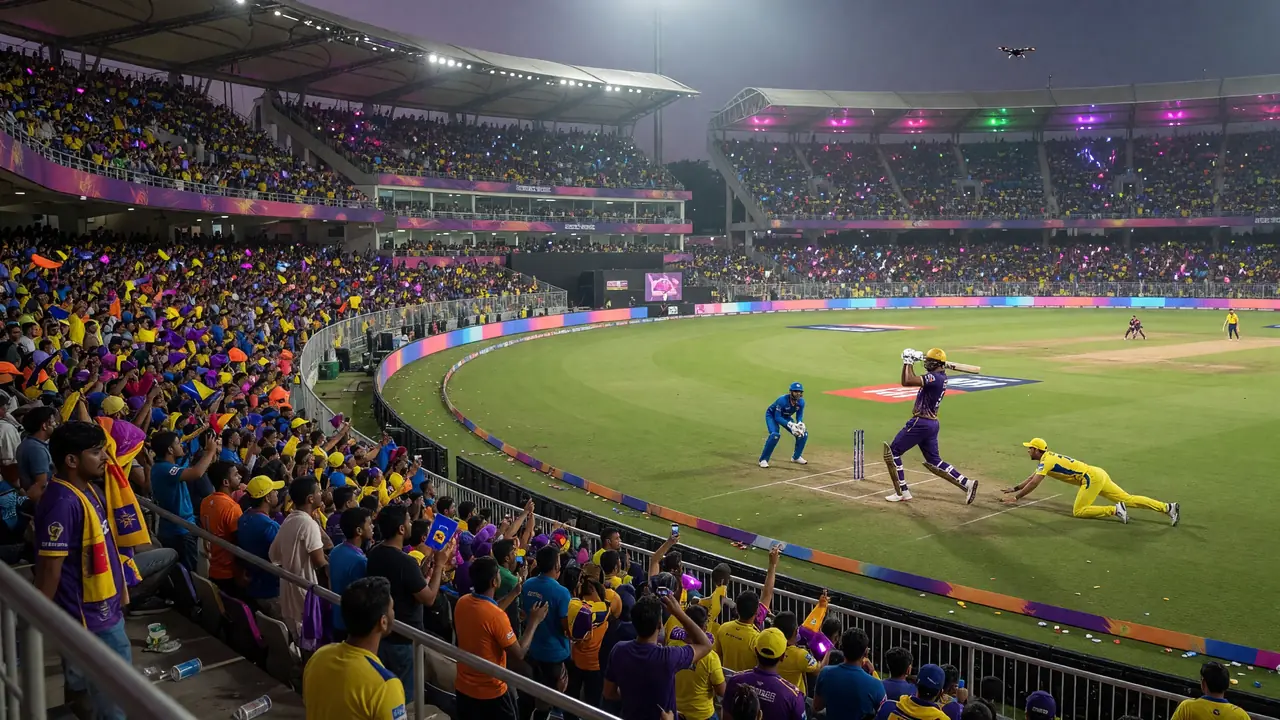
What stood out when 2026 was measured against recent IPL seasons
By mid-May 2026 the league already looked different on the scoreboard. Average runs per innings had climbed from 178 in 2025 to 186 in the ongoing 2026 season. That eight-run jump is not a cosmetic tick. In fantasy terms it rewrites expected ceiling for openers, finishers and any bowler locked into death overs, because the baseline total managers were pricing only a year earlier had already moved.
The same retrospective pointed to a structural reason rather than a one-month purple patch. The impact player rule, first introduced in 2023, lets captains name five substitutes and bring one into the playing XI at a natural break. Excluding the 2024 season, average run rate per innings rose in every IPL campaign after that rule arrived. 2026 simply continued the climb, and fantasy models that still treated 160–170 as a “par” night were already behind the ball.
Audience behaviour moved in a less comfortable direction for traditional broadcast. Television viewing figures fell 18.8 percent in IPL 2026, even as digital consumption accelerated. Opening weekend reached 513 million viewers and total watch time hit 32.6 billion minutes, up 26 percent year on year. About 90 percent of viewers reported using a second screen while the match was on. For fantasy desks, that second screen is not a lifestyle footnote. It is the environment in which late swaps, live contests and ownership swings now happen.
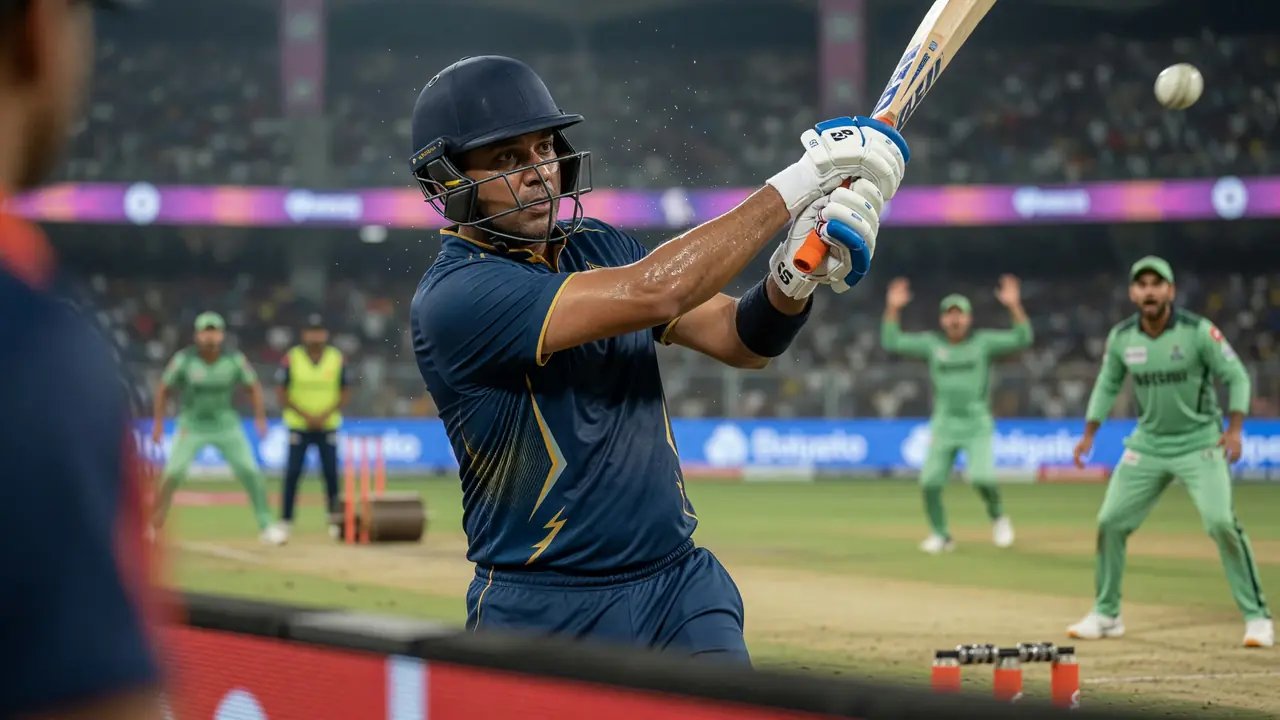
How the impact player rule kept lifting scoring after 2023
The May 2026 comparison treated the impact player as the clearest multi-year driver of the scoring curve. Captains could keep five substitutes warm and introduce one into the XI when a natural break opened the door. That flexibility reduced the cost of picking an extra specialist batter or a pure death bowler, because the side no longer had to carry every role for the full match from ball one.
Fantasy managers felt the same pressure in reverse. A pure all-rounder who once locked a dual role for the whole night could lose minutes when a specialist entered. The report also noted a longer-term concern already circulating inside the game: the impact player rule may be reviewed after the 2027 season amid criticism that it can hinder all-rounder development. That review date matters for multi-season fantasy planning. Until then, 2026 still rewarded line-ups built around one-use specialists rather than classic balanced XIs.
Sunrisers Hyderabad were described as that season’s leaders, with Nitish Kumar Reddy and Travis Head cited as adaptable pieces who fitted the higher-scoring environment. Head’s ability to attack early and Reddy’s dual-role flexibility gave SRH the kind of shape that fantasy captains chase when average totals sit near 186. The lesson was less about one franchise badge and more about roster construction: teams that could absorb a specialist substitution without collapsing their bowling or batting spine kept pricing power through the middle of the season.
Young Indians who changed ownership conversations
The most striking individual comparison in the May report sat with the teenagers. Vaibhav Sooryavanshi, then 15, had piled up 656 runs in 17 IPL appearances across 2025 and 2026 at an average of 38.59 and a strike rate of 224.66, with two hundreds and three fifties. Those are not developmental footnotes. At that strike rate, even modest ownership created rank separation on nights when the field was stacked with established internationals batting at conventional tempos.
Sameer Rizvi, Angkrish Raghuvanshi and Prince Yadav were named among other young Indians making an impact in IPL 2026. For fantasy readers, the cluster mattered as much as any single name. Recent seasons still leaned on known overseas anchors and a short list of Indian finishers. 2026 forced managers to budget salary and risk for domestic upside that could clear 200 strike rate without waiting for a five-year “breakout” arc.
That is the practical difference between 2026 and the seasons immediately before it. Older models treated under-20 Indian batters as differential darts. The verified production from Sooryavanshi’s early career, plus the supporting names around him, turned youth into a recurring planning variable rather than a once-a-month gamble.
Digital screens rose while traditional TV lost share
The commercial side of the May 2026 comparison filled in why the on-field scoring story travelled so quickly into fantasy products. Average wagers per fan per game rose from 3.2 in 2024 to 4.6 in 2026. More entries per fan, paired with second-screen habits for nine in ten viewers, is the environment in which live contests and late captain flips thrive.
Title sponsorship value showed how far the league’s price of attention had moved over a longer arc: from DLF’s $7.5 million a year in 2008 to Tata Group’s $60.2 million annually. Media rights sold in 2022 for $6.2 billion over 2023–2027 still framed the broadcast economics of the 2026 season. Team sponsorship sat in a wide band, with Mumbai Indians around $14 million a year against about $8 million for lower-end sides, and overall team sponsorship valued around $90 million to $100 million.
None of those figures tell a manager whom to captain on a Tuesday night. They do explain why the product around the match kept thickening: more digital inventory, more contest formats, and more pressure on fantasy platforms to react inside the same second-screen window where the audience already lived. When television share fell 18.8 percent while total watch time still climbed, the centre of gravity for decision-making moved closer to the phone in the viewer’s hand.
What managers should still take from the 2026 comparison
First, reset par. An innings average of 186 means death bowlers concede in a different band, and top-order freeze outs hurt more because the field is scoring faster around them. Captain upside still concentrates in batters who face the new ball or finish overs 16–20, but the floor for “safe” bowling points is thinner than it was when 178 was the recent reference point.
Second, treat impact-player flexibility as a live ownership variable, not a rules trivia card. If a side can introduce a specialist at a natural break, pure all-rounder minutes become less stable and one-dimensional finishers become more viable. That trade-off was already visible after 2023; 2026 made it loud enough that ignoring it looked like an outdated template.
Third, keep a salary lane open for high-ceiling Indian teenagers when the form evidence is concrete. Sooryavanshi’s 656 runs across 17 appearances at a 224.66 strike rate is the clearest example from the May dossier. Rizvi, Raghuvanshi and Yadav reinforced that the youth wave was broader than one viral innings. Managers who only trusted overseas anchors from 2023–2025 templates left points on the table.
Fourth, build process around second-screen speed. With roughly 90 percent of viewers on another device and wagers per fan rising from 3.2 to 4.6 between 2024 and 2026, the edge often sits in how quickly a desk reacts to toss, injury and substitution news rather than in a static pre-match sheet printed the night before.
For longer strategy notes on captaincy bands, points math and contest construction, the desk keeps a living set of fantasy cricket guides that sit beside these season retrospectives.
What the comparison does not settle
The May 2026 piece did not crown a single “correct” fantasy template for every venue. Chepauk nights still do not price like Wankhede nights, and a 186 league average does not mean every chase becomes a free hit. It also left the impact-player future open: a possible review after the 2027 season is a policy signal, not a confirmed repeal. Until any formal change lands, managers should keep pricing the rule as it operated through 2026.
Commercial scale is another area where the numbers describe the league’s gravity without dictating a weekly XI. Tata’s title deal, the $6.2 billion media-rights cycle and the $90–100 million team-sponsorship band explain why the contest market stayed thick. They do not replace matchup work on pitch, bowling match-ups or role clarity inside a specific XI.
Verified markers from the May 2026 comparison
- Average runs per innings: 178 in 2025 → 186 in 2026.
- Impact player rule (from 2023): five substitutes, one can enter the XI at a natural break.
- TV viewing down 18.8% in 2026; opening weekend 513 million viewers; 32.6 billion minutes watched (+26% YoY).
- About 90% of viewers used a second screen during games.
- Vaibhav Sooryavanshi (15): 656 runs in 17 IPL games across 2025–2026, average 38.59, strike rate 224.66, two hundreds and three fifties.
- Average wagers per fan per game: 3.2 in 2024 → 4.6 in 2026.
- Impact player rule flagged for possible review after the 2027 season.
Quick answers on the 2026 season comparison
When was the original comparison published?
Goal.com published the retrospective on 19 May 2026. The numbers and names below are drawn from that report and framed here for fantasy readers rather than restated as fresh breaking news.
How much did scoring rise from 2025 to 2026?
Average runs per innings moved from 178 in 2025 to 186 during the 2026 season covered by the report — an eight-run lift that changes par totals for both batting ceilings and bowling floors.
What does the impact player rule allow?
Since 2023, captains can name five substitutes and bring one into the XI at a natural break. The May 2026 comparison linked that flexibility to higher scoring after the rule’s introduction, with 2024 as the noted exception.
Which young batter defined the 2025–2026 youth wave?
Vaibhav Sooryavanshi, then 15, recorded 656 runs in 17 IPL appearances across 2025 and 2026 at average 38.59 and strike rate 224.66, with two hundreds and three fifties. Sameer Rizvi, Angkrish Raghuvanshi and Prince Yadav were also named among young Indians making an impact in 2026.
What commercial figures framed the 2026 season?
Title sponsorship had risen from DLF’s $7.5 million a year in 2008 to Tata Group’s $60.2 million annually. The 2022 media-rights deal was valued at $6.2 billion for 2023–2027. Mumbai Indians sponsorship revenue sat near $14 million a year versus about $8 million for lower-end teams, with overall team sponsorship around $90–100 million.
What should fantasy managers watch next from this retrospective?
The concrete forward marker inside the source is a possible review of the impact player rule after the 2027 season. Until any formal change is confirmed, keep building XIs around the substitution flexibility and higher scoring baseline that defined 2026.
Editor's read: The May 2026 comparison still holds as a baseline for fantasy process. Price 186 as the recent scoring world, treat impact substitutions as live role risk, leave salary for proven teenage ceiling, and expect decisions to happen on the second screen where nine in ten viewers already sat. The next formal policy checkpoint named in the source is the possible impact-player review after 2027.
Where these figures come from
Verified facts on scoring averages, television and digital audience figures, the impact player rule and its possible post-2027 review, Sunrisers Hyderabad’s standing with Nitish Kumar Reddy and Travis Head, Vaibhav Sooryavanshi’s 2025–2026 record, the other young Indians named above, wager-per-fan movement, title sponsorship history, the 2022 media-rights valuation and team sponsorship bands are drawn from Goal.com’s comparison published on 19 May 2026. The IPL Fantasy 365 editorial desk has added fantasy interpretation around that record. No extra scores, quotations or unstated official decisions have been invented beyond that dossier.